
Clergy
ST. SUSANNA CATHOLIC CHURCH FROM THE USA SUPPORTS NYAMITANGA CATECHISTS WITH BICYCLES
ST. SUSANNA CATHOLIC CHURCH FROM THE USA SUPPORTS NYAMITANGA CATECHISTS WITH BICYCLES

Rev. Fr. Richard Ssebugwawo parish Priest Our Lady of Perpetual Help Nyamitanga.
Nyamitanga, Mbarara Catechists serving at Our Lady of Perpetual Help Nyamitanga Parish in the Archdiocese of Mbarara have received bicycles donated by their friends of St. Susanna Catholic Church in Ohio, United States, to help them carry out their pastoral work more effectively.
By Sr. Stella Watsema OLGC
The donation is part of a relationship between Nyamitanga Parish and St. Susanna Catholic Church that has lasted for about six years. According to Father Richard Ssebugwawo, the parish priest of Nyamitanga Parish, the American parish St. Susanna had previously supported the catechists with bicycles, and the latest consignment has helped reach catechists who missed out on the first distribution.
“Today I am glad that we have received the second consignment of bicycles,” Father Richard said, explaining that 17 bicycles were dispatched for catechists who did not receive bicycles during the first consignment.

The parish priest with his happy catechists after handing them the bicycles
Father Richard said that the parish now has approximately received 50 bicycles for its catechists and their assistants. He expressed gratitude to the Christians of St. Susanna Catholic Church for their continued generosity and support. He explained that the bicycles will help catechists overcome transportation challenges as they travel to the different small churches and communities where they have been assigned to serve.
“Some may not necessarily ride a bicycle every day, but they can use it to get feeds for their animals, fetch water, or travel to visit Christians in the areas where they have been assigned to work,” Father Richard said.
He added that some catechists keep animals such as pigs, goats and cows under zero-grazing arrangements, meaning the bicycles can also help them transport animal feeds and other necessities. Father thanked St. Susanna Catholic Church for its generosity and prayed for blessings upon the donors and the catechists.
“May God bless the generosity of our friends, and may He bless the work of our catechists as they serve the people where we have assigned them and appointed them in different small churches of this parish,” he said.
Catechists Welcome and appreciated the Support

Women Catechists after receiving their new bicycles
Akakwatsa Evalean, a female catechist from St. Helena in Nyamitanga Parish, expressed appreciation for the bicycles, saying they will make it easier for catechists to carry out their apostolate.
She thanked Father Richard for the love and support he has shown towards the catechists, saying his encouragement has helped them continue carrying out the mission of the catholic Church peacefully.
Evalean also thanked the Christians of St. Susanna Catholic parish for supporting the catechists. She further appreciated Father Elias for helping establish a friendship that has resulted in support benefiting both catechists and a wider Christian community of Nyamitanga. Another beneficiary, Mr. Bainomugisha Ambrose, a catechist at Nyamitanga Parish, also expressed gratitude for receiving a bicycle.
Ambrose said the bicycle will make transportation easier and enable catechists to reach out to the people of God in their respective communities without unnecessary difficulty. The parish says the bicycles will contribute to the catechists' pastoral mission by making it easier for them to travel between communities, visit Christians, and attend to other responsibilities associated with their ministry.
New HIV Prevention Injection to Be Rolled Out in Western Uganda
Mbarara, Uganda August 24, 2026, a new HIV prevention drug administered by injection once every six months is set to be introduced at selected health facilities in Western Uganda, offering people at risk of HIV infection another option for preventing the virus.
By Sr. Stella Watsema OLGC
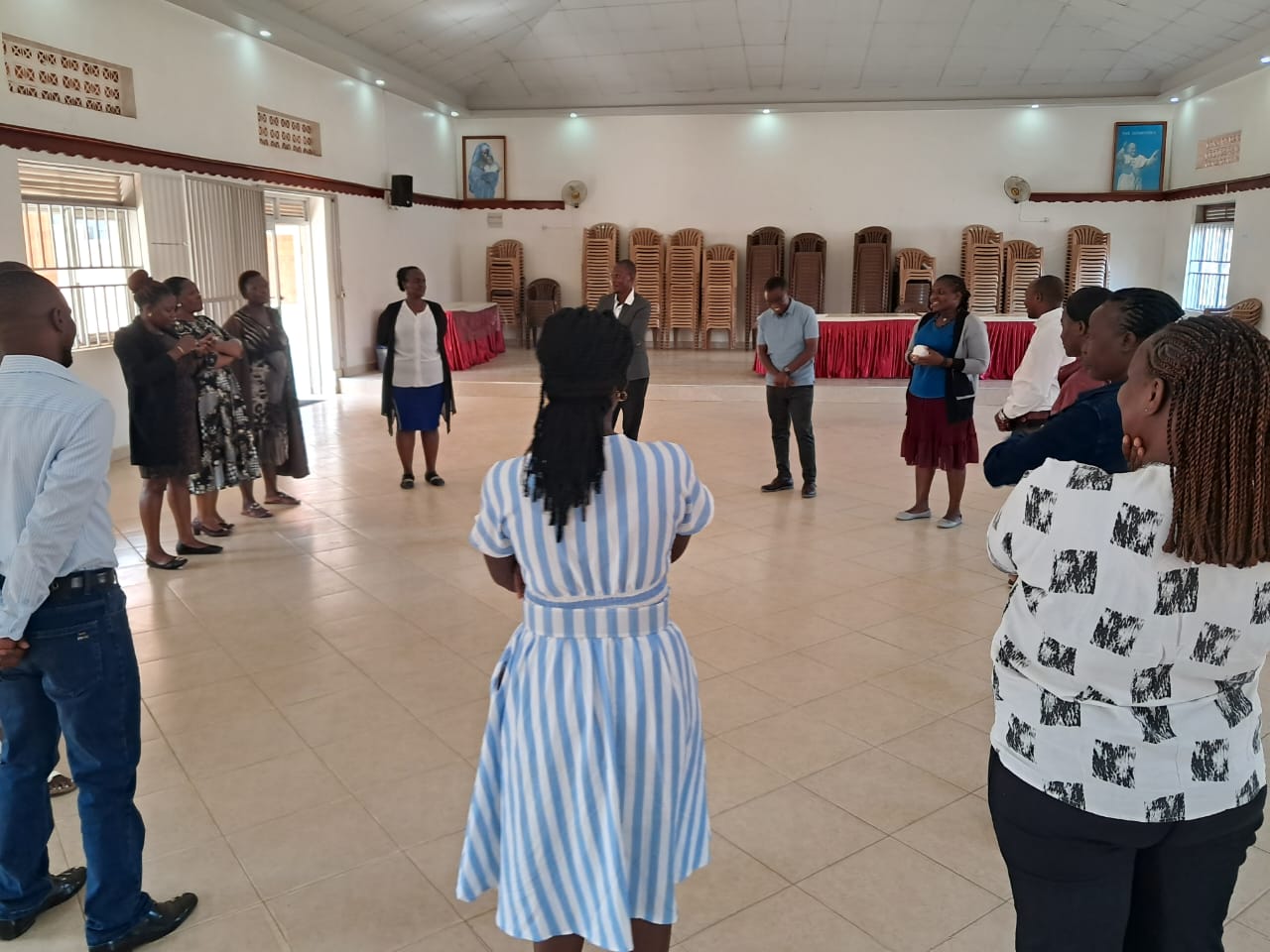
Health workers from six selected health facilities are currently undergoing a five day training in Mbarara at Bishop Kakubi memorial hall to prepare them for the rollout of Lenacapavir, a new HIV prevention option under Pre-Exposure Prophylaxis (PrEP) services.
The training is being conducted by the Uganda Catholic Medical Bureau (UCMB) a health department at the Uganda Episcopal Conference (UEC) in collaboration with the Ministry of Health, with support from FHI.
According to Nyakato Jennifer, an HIV prevention officer and coordinator of PrEP services at UCMB, the training is equipping health workers with the knowledge and skills needed to provide Lenacapavir and other HIV prevention services in the selected health facilities in the region.
What is Lenacapavir?
Lenacapavir is a long-acting injectable PrEP option designed to help prevent HIV infection among people who are HIV-negative and at risk of acquiring the virus. Unlike daily oral PrEP, Lenacapavir is administered once every six months, potentially making it a convenient option for people who may find it difficult to take HIV prevention pills every day.
PrEP, or pre-exposure prophylaxis, refers to medicines taken by people who are HIV-negative to reduce their risk of acquiring HIV. The training is also covering other PrEP options and cabotegravir, another injectable PrEP option administered every two months.
Where will the service be introduced?
The training is targeting health workers from facilities serving communities in the Kigezi and Ankole regions. Among the selected facilities are Mtorere in Kisoro district, St. Daniel Camboni in Bushenyi district, Kyabirukwa in Isinjiro district and Rushoka in Ntungamo district, among others. The health workers are being trained ahead of the next phase of implementation, which is expected to begin in November 2026.
Who could benefit from Lenacapavir?
According to Jennifer, the new HIV prevention option could particularly benefit populations at increased risk of HIV infection.
These include serodiscordant couples, where one partner is HIV-positive and the other is HIV-negative. PrEP can help protect the HIV-negative partner and reduce the risk of HIV transmission within families. Other groups that could benefit include fisherfolk, long-distance truck drivers, adolescent girls and young women, as well as other populations considered to be at increased risk of HIV infection.
Health workers will also educate communities about the different PrEP options, allowing clients to choose a prevention method that best suits their needs and circumstances.
Why is the new HIV prevention option important?
The rollout comes amid continued concern over HIV infections in parts of Western Uganda, where HIV prevalence in some districts remains higher than the national average.
ARCHDIOCESE OF MBARARA DEVELOPMENT ASSOCIATION(AMDA) TRANSFORMING LIVES THROUGH THE CARAVAN
The Archdiocese of Mbarara Development Association (AMDA) has grown from a small initiative into a powerful platform for community outreach, spiritual renewal, healthcare, leadership development and socio-economic transformation. What began in 2013 as a modest effort by Catholics from the Archdiocese of Mbarara living in Kampala has developed into an annual caravan that brings together thousands of people while responding to some of the most pressing needs of communities across the Archdiocese.
By Sr. Stella Watsema OLGC
The Archdiocese of Mbarara Development Association (AMDA) has grown from a small initiative into a powerful platform for community outreach, spiritual renewal, healthcare, leadership development and socio-economic transformation. What began in 2013 as a modest effort by Catholics from the Archdiocese of Mbarara living in Kampala has developed into an annual caravan that brings together thousands of people while responding to some of the most pressing needs of communities across the Archdiocese.
By Sr. Stella Watsema OLGC
This journey and its impact are reflected in the experience of Gervase Ndyanabo, a National Head of the laity, AMDA member and former AMDA chairman, who was among the leaders involved in the association for more than 20 years ago.
Who is AMDA and Who Benefits?
AMDA primarily brings together Catholics from the Archdiocese of Mbarara who live in Kampala and surrounding areas. Its members use their skills, resources, professional networks and commitment to support development initiatives connected to their Mother Diocese.
However, while AMDA membership is specifically for Catholics, the services provided through its outreach programmes are open to everyone, regardless of religious affiliation. During the medical camps, for example, patients are not asked about their religion. Christians, Muslims and people of other or no religious backgrounds are all welcome to receive services.
This inclusive approach has significantly expanded AMDA's impact beyond its membership. The association has become a bridge connecting the Church, professionals, government institutions, religious leaders and local communities.
What Does AMDA Do?
The AMDA Caravan is the most visible expression of this work. It combines a medical camp with a range of programmes designed to promote holistic human development.
The medical camp provides healthcare services and attracts large numbers of people. Over the years, the camps have grown considerably because of the increasing needs of communities and the support of numerous partners. Medical teams have been contributed by institutions including the Uganda People's Defence Forces, Uganda Police, Uganda Prisons, the Ministry of Health, hospitals and other organisations. Individuals and AMDA members also contribute financially and materially. But the Caravan is about much more than medicine.
AMDA has several councils that address different dimensions of development. Leadership programmes encourage people to take responsibility in the Church, schools, communities and civic life. Mindset programmes seek to change attitudes and inspire people to see themselves as agents of change. The economic component focuses on improving household incomes and helping families become more economically resilient.
Women, students, community leaders and other groups also receive information and guidance. While people wait for medical services, educational and motivational messages are shared through public-address systems. Spiritual counselling, confession and other religious services are also provided. The result is an approach that seeks to address the whole person not simply illness, but also poverty, attitudes, leadership, spirituality, education and economic wellbeing.
When and How Did It Begin?
The AMDA Caravan began in 2013 after AMDA members recognised a need to strengthen their relationship with the Archdiocese of Mbarara and to understand the challenges facing communities in the region. Working with their chaplain, Father Magunda, a small group travelled to what was then the Diocese of Rugazi. They travelled in a single coaster, met priests and Christians, visited a young school and listened to the concerns of the people. The experience made it clear that more could be done.
The following year, the group expanded its outreach to areas including Birunduma Parish, Buhonjiro, Choga Parish and Ngarama. Although the group was still small, the visits provided important lessons about the needs of communities.
The medical component emerged after AMDA identified healthcare as a major need. Through its medical council, the association began organising medical camps, initially in places such as Rwera Parish and later extending to other parishes. As more people attended the camps, AMDA realised that the demand was much greater than originally anticipated. With the support of partners, the medical camps have continued to grow.
Where Has the Impact Been Felt?
The Caravan has moved from parish to parish across the Archdiocese of Mbarara, with efforts made to reach neighboring communities whenever possible.
This is important because communities within the Archdiocese have different economic circumstances. Urban and peri-urban parishes may have higher average household incomes, while remote communities may face greater levels of poverty. Nevertheless, even relatively better off communities contain vulnerable people who need medical, spiritual, educational and economic support.
AMDA therefore seeks to spread the Caravan across the Archdiocese rather than concentrating its activities in one location. With more than 60 parishes, reaching every parish individually would take many years. Visiting neighbouring parishes during each Caravan has therefore become an important way of extending the programme's reach.
Why Is AMDA's Work Important?
AMDA's work is important because the challenges facing communities are interconnected. Poverty can contribute to poor nutrition; poor nutrition can contribute to illness; illness can affect a family's ability to work; and economic hardship can affect children's education and the general wellbeing of households. The association therefore sees development as a holistic and transformational process.
The medical camp may attract the largest crowds, but its deeper objective is to contribute to lasting social change. Leadership and mindset programmes are intended to influence people long after the Caravan has left. Economic programmes seek to improve household incomes, while spiritual activities strengthen people's faith and sense of community.
The ultimate goal is not simply to provide services for one day. It is to empower individuals and communities to become healthier, more responsible, economically stronger and capable of contributing positively to society.
How Has AMDA Created Its Impact?
AMDA's impact has been made possible through collaboration. The association brings together its members, priests, religious sisters and brothers, government agencies, medical professionals, schools, community leaders and other partners. Priests and religious have played an important role in providing spiritual guidance, counselling and sacramental services.
The Caravan itself is now a major annual undertaking. Participants leave Kampala after Mass, usually late on Thursday evening, travel through the night and arrive at their destination in the morning. Programmes then begin, culminating in a major Sunday celebration. The Sunday celebration has become an important item on the diocesan calendar. The Archbishop of Mbarara normally attends personally or delegates another bishop when necessary, bringing together Catholics and communities from different parts of the Archdiocese and beyond.
The growth of the Caravan is perhaps best demonstrated by the increasing number of participants. What once involved a small group travelling in one coaster has grown into an activity requiring several buses, with many additional participants travelling in private vehicles.
The Lasting Impact
After more than a decade, the AMDA Caravan represents a significant transformation from its humble beginnings in 2013. Its impact can be seen not only in the number of people receiving medical services, but also in the knowledge shared, relationships built, spiritual support offered and opportunities created for people to improve their lives.
AMDA's vision is therefore larger than an annual medical camp. It is an effort to transform society through health, faith, education, leadership, mindset change and economic empowerment.
As Gervase Ndyanabo explains, AMDA would like to undertake a deeper study of the long-term impact of its programmes. The intention is to determine how leadership, mindset and economic interventions influence individuals and communities over time.
Although other dioceses have shown interest in learning from the AMDA model, the association remains focused on serving the Archdiocese of Mbarara while welcoming others to participate, observe and learn.
From a small group making a modest journey in 2013 to a growing caravan involving medical professionals, government institutions, priests, religious and thousands of community members, AMDA demonstrates how a small response to a recognized need can grow into a movement capable of touching lives and contributing to longterm social transformation.
New HIV Prevention Injection to Be Rolled Out in Western Uganda
Mbarara, Uganda August 24, 2026, a new HIV prevention drug administered by injection once every six months is set to be introduced at selected health facilities in Western Uganda, offering people at risk of HIV infection another option for preventing the virus.
By Sr. Stella Watsema OLGC
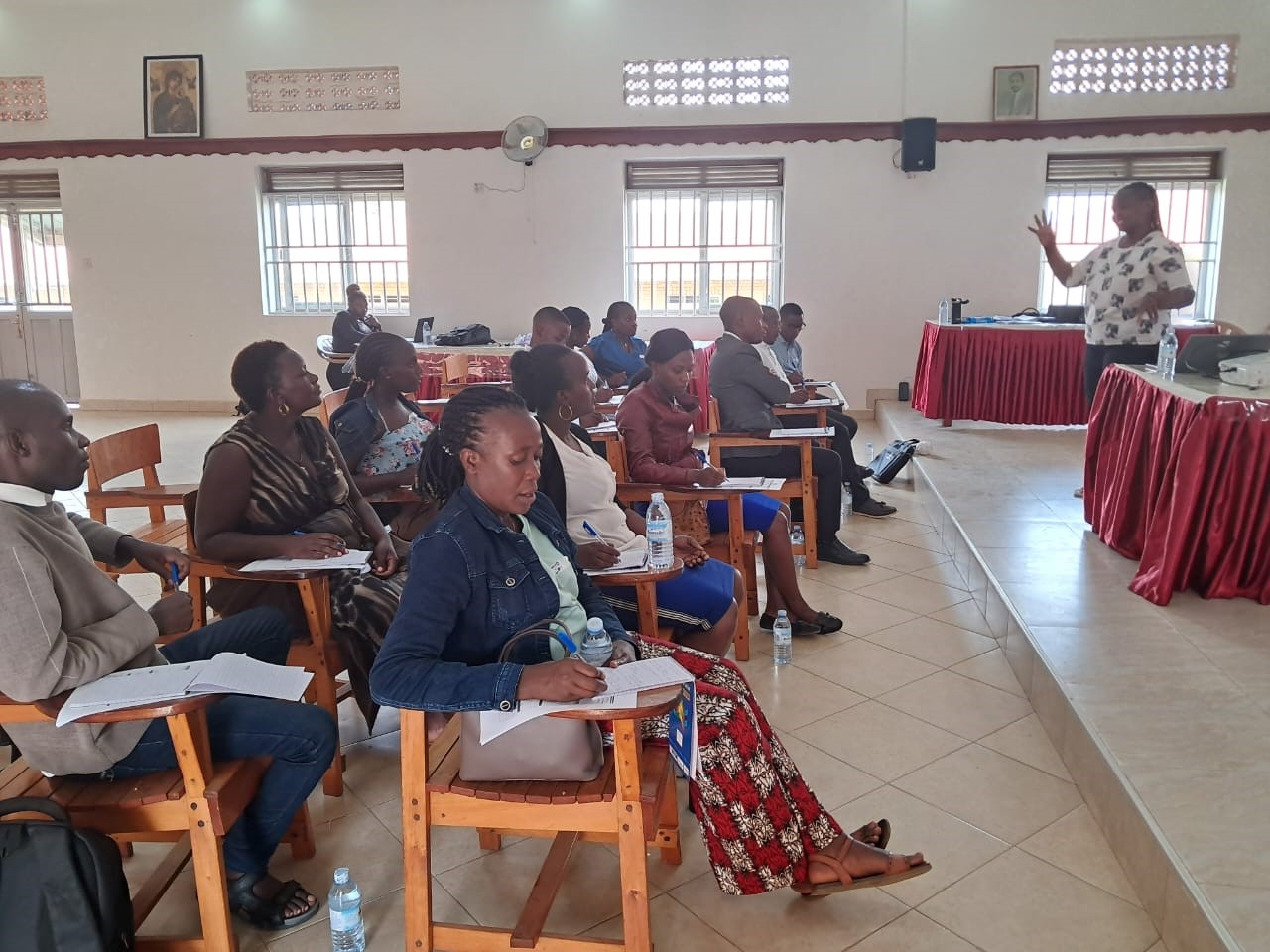
Health workers from six selected health facilities are currently undergoing a five day training in Mbarara at Bishop Kakubi memorial hall to prepare them for the rollout of Lenacapavir, a new HIV prevention option under Pre-Exposure Prophylaxis (PrEP) services.
The training is being conducted by the Uganda Catholic Medical Bureau (UCMB) a health department at the Uganda Episcopal Conference (UEC) in collaboration with the Ministry of Health, with support from FHI.
According to Nyakato Jennifer, an HIV prevention officer and coordinator of PrEP services at UCMB, the training is equipping health workers with the knowledge and skills needed to provide Lenacapavir and other HIV prevention services in the selected health facilities in the region.
What is Lenacapavir?
Lenacapavir is a long-acting injectable PrEP option designed to help prevent HIV infection among people who are HIV-negative and at risk of acquiring the virus. Unlike daily oral PrEP, Lenacapavir is administered once every six months, potentially making it a convenient option for people who may find it difficult to take HIV prevention pills every day.
PrEP, or pre-exposure prophylaxis, refers to medicines taken by people who are HIV-negative to reduce their risk of acquiring HIV. The training is also covering other PrEP options and cabotegravir, another injectable PrEP option administered every two months.
Where will the service be introduced?
The training is targeting health workers from facilities serving communities in the Kigezi and Ankole regions. Among the selected facilities are Mtorere in Kisoro district, St. Daniel Camboni in Bushenyi district, Kyabirukwa in Isinjiro district and Rushoka in Ntungamo district, among others. The health workers are being trained ahead of the next phase of implementation, which is expected to begin in November 2026.
Who could benefit from Lenacapavir?
According to Jennifer, the new HIV prevention option could particularly benefit populations at increased risk of HIV infection.
These include serodiscordant couples, where one partner is HIV-positive and the other is HIV-negative. PrEP can help protect the HIV-negative partner and reduce the risk of HIV transmission within families. Other groups that could benefit include fisherfolk, long-distance truck drivers, adolescent girls and young women, as well as other populations considered to be at increased risk of HIV infection.
Health workers will also educate communities about the different PrEP options, allowing clients to choose a prevention method that best suits their needs and circumstances.
Why is the new HIV prevention option important?
The rollout comes amid continued concern over HIV infections in parts of Western Uganda, where HIV prevalence in some districts remains higher than the national average.
According to Jennifer, the Uganda AIDS Commission's 2024 report, said national HIV prevalence was estimated at about 4.9% to 5.1%, while some districts in Western Uganda recorded higher rates. She said that HIV prevalence of about 11% in Buhweju, 10% in Mbarara City, 8% to 9.4% in Bushenyi, and between 6% and 7% in several other districts.
She also said HIV prevalence remains higher among women than men, with women estimated at about 6.4% to 6.6%, compared with 3.3% to 3.4% among men. Health authorities are consequently encouraging greater male involvement in HIV testing, treatment and prevention. HIV services are also being taken closer to men through workplaces, markets, border points and other locations where men can easily access them.
Will clients pay for Lenacapavir?
Jennifer said clients will not be charged for Lenacapavir during the programme, as the medicine has been provided through donor support. She encouraged communities to embrace the new HIV prevention option and continue using available HIV prevention services.
The Ministry of Health is coordinating the training, providing technical guidance and overseeing the supply of HIV prevention commodities. Health officials hope that expanding access to a range of PrEP options, including long-acting injectable prevention, will give people greater choice and contribute to reducing new HIV infections in Uganda.
Most Rev. Lambert Bainomugisha, Archbishop of Mbarara calls for greater support for AMDEF as Rwenyaga Deanery Raises UGX 105 Million.
MOST REV. LAMBERT BAINOMUGISHA, ARCHBISHOP OF MBARARA CALLS FOR GREATER SUPPORT FOR AMDEF AS RWENYAGA DEANERY RAISES UGX 105 MILLION.

Uganda-Mbarara Rwampara District, Rwenyaga Parish, on Saturday, August 29, 2026: Thousands of lay faithful, priests, and religious men and women from Rwenyaga and surrounding catholic parishes gathered at Rwenyaga Parish for the Archbishop’s annual appeal fund in support of the Archdiocese of Mbarara Development Foundation (AMDEF).
By Sr. Stella Watsema OLGC
The celebration began with the Holy Eucharist presided over by His Grace Lambert Bainomugisha, Archbishop of Mbarara, who was joined by priests serving in Rwampara District and the surrounding catholic parishes.
What is AMDEF?
AMDEF is a strategic fundraising and investment initiative of the Archdiocese of Mbarara. It was officially launched in 2025 by Archbishop Lambert Bainomugisha.

The initiative aims to help the Archdiocese of Mbarara raise and invest its own resources so that it can reduce its dependence on donations. Funds raised through AMDEF are expected to support development of the archdiocese and its institutions, Support schools and higher educational institutions of learning, Improvement of healthcare facilities, Support for agriculture, including plans to provide coffee seedlings to catechist, Development of a community SACCO aimed at improving the financial wellbeing of Christians in the Archdiocese and many others. The SACCO is intended to provide accessible and affordable financial services, encourage saving, support small businesses, and help families improve their incomes.
He appreciated the faithful for their commitment to supporting the development of the catholic Church and prayed for God's blessings upon them. The archbishop also spoke about the important role of parents in caring for and raising their children. He thanked parents for their efforts and reminded them that the wellbeing of families depends greatly on the care and support parents provide to their children.
Archbishop thanks faithful for their support

In his homily, Archbishop Bainomugisha thanked the people of Rwampara District for organizing the AMDEF gathering at Rwenyaga Parish.
The AMDEF Chairperson, Eng. Dr. Silver Mugisha, thanked Rwenyaga Deanery for working with the Archdiocese in mobilizing resources. He said the deanery was part of the effort that contributed to the Shs3 billion already collected and placed in the AMDEF common fund in 2025. He appealed to Christians and other well-wishers to continue supporting the project so that it can be completed.
Christians introduced to the AMDEF SACCO
Dr. Mugisha also explained the Archdiocese's SACCO initiative, which is intended to strengthen the financial wellbeing of Christians. He explained how members will access SACCO's services and encouraged the faithful to make use of the financial opportunities it will provide. The SACCO is expected to promote a culture of saving, support entrepreneurship, and help improve household incomes across the archdiocese.
Ugx. 105 million raised at Rwenyaga
At the AMDEF gathering, the guest of Honor, Hon. Charles Ngabirano, Member of Parliament, made his annual contribution of Ugx 5 million. By the end of the function, the faithful had contributed a total of Ugx 105 million in cash towards AMDEF. Hon. Ngabirano also pledged to support efforts to provide clean and safe water to people in the area.

Why the gathering matters
The AMDEF campaign is intended to create a stronger financial foundation for the Archdiocese of Mbarara. By raising and investing its own resources, the archdiocese hopes to support its long-term development and continue serving Christians through education, healthcare, agriculture and other community programmes. The Rwenyaga gathering was therefore both a fundraising event and an opportunity for Church leaders and the faithful to discuss how they can work together to strengthen the future of the Archdiocese
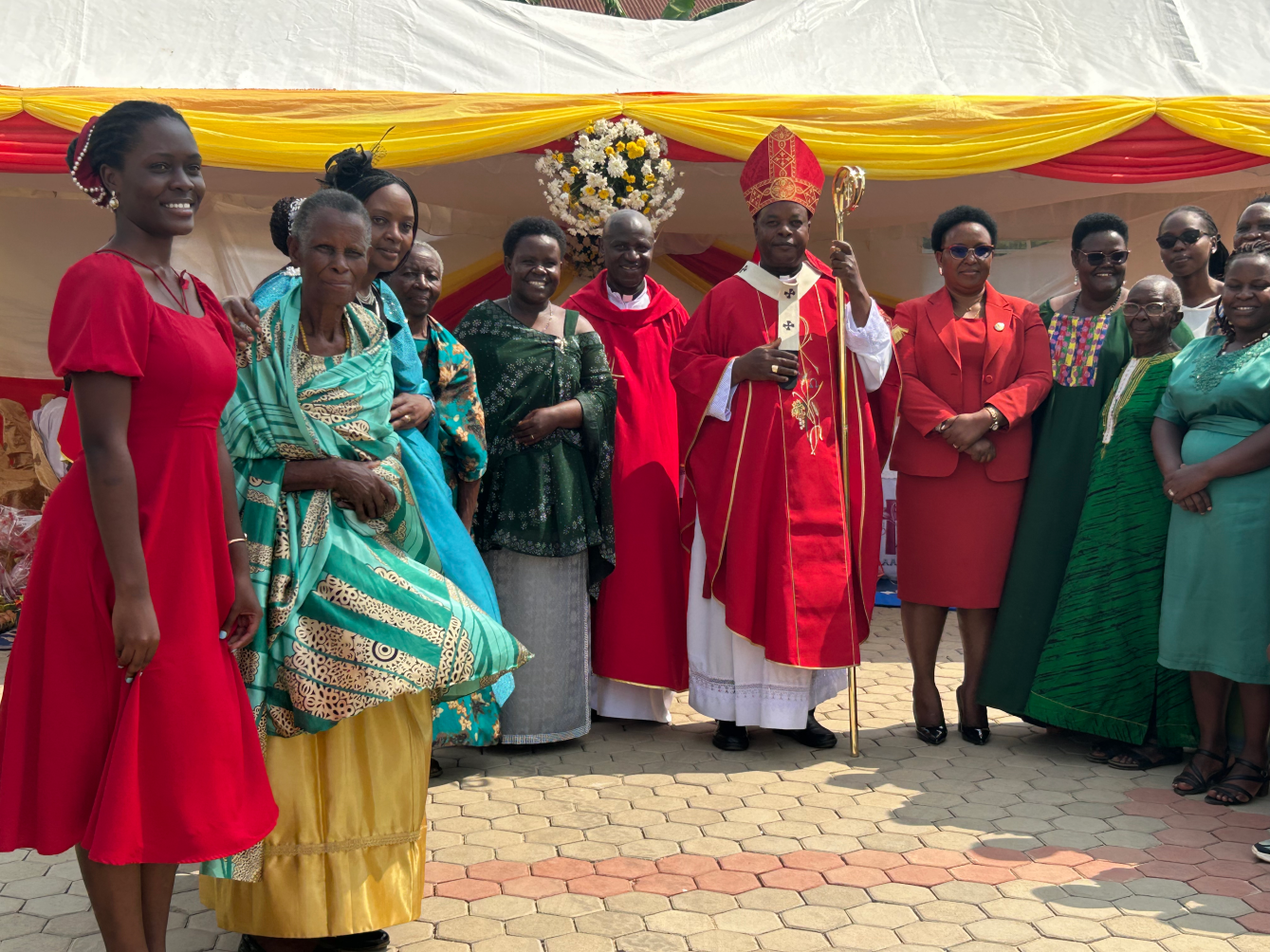
Archbishop Lambert Bainomugisha Confirms 80 Pupils in the Catholic faith at St. Helen’s Primary School as they Celebrate St. Helens Feast Day at the school.
On Tuesday, August 18, 2026 Rt. Rev. Lambert Bainomugisha, Archbishop of the Archdiocese of Mbarara, confirmed 80 pupils at St. Helen’s Primary School. The event was attended by priests, religious men and women, Hon. Kalisa, MP for Ibanda, old girls, parents, and the school community.
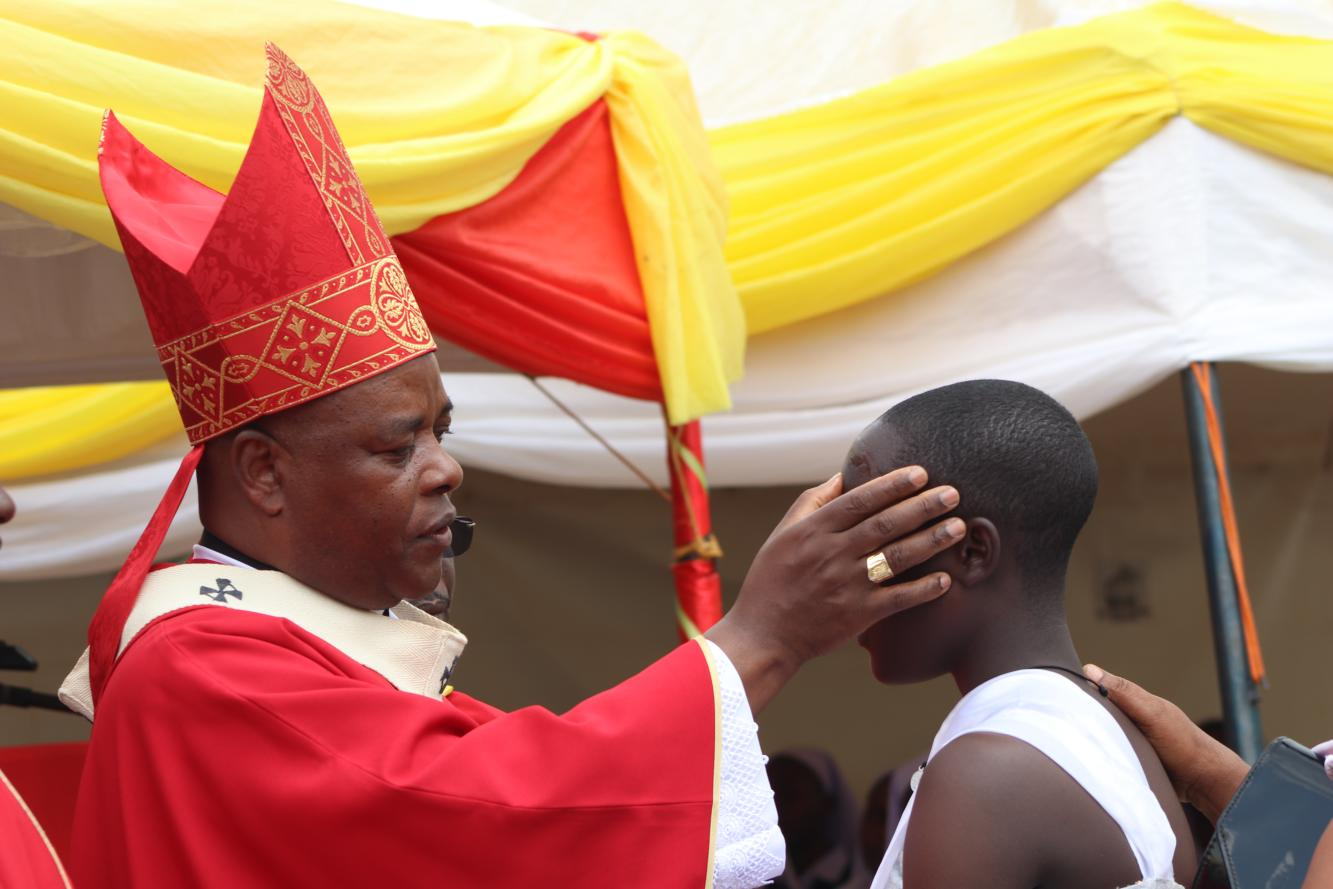
Archbishop Lambert Bainomugisha confirms 80 pupils at St. Helens primary School at Nyamitanga Archdiocese of Mbarara.
Archbishop Bainomugisha first blessed the school hall before presiding over the Confirmation Mass where 80 pupils received the Sacrament of Confirmation. The ceremony coincided with St. Helen’s Primary School Feast Day and a celebration of academic and co-curricular achievements. St. Helen’s Primary School, a Catholic-founded school in Mbarara known for educating the girl child and visually impaired children under the guidance of the Sisters of Our Lady of Good Counsel of Mbarara.
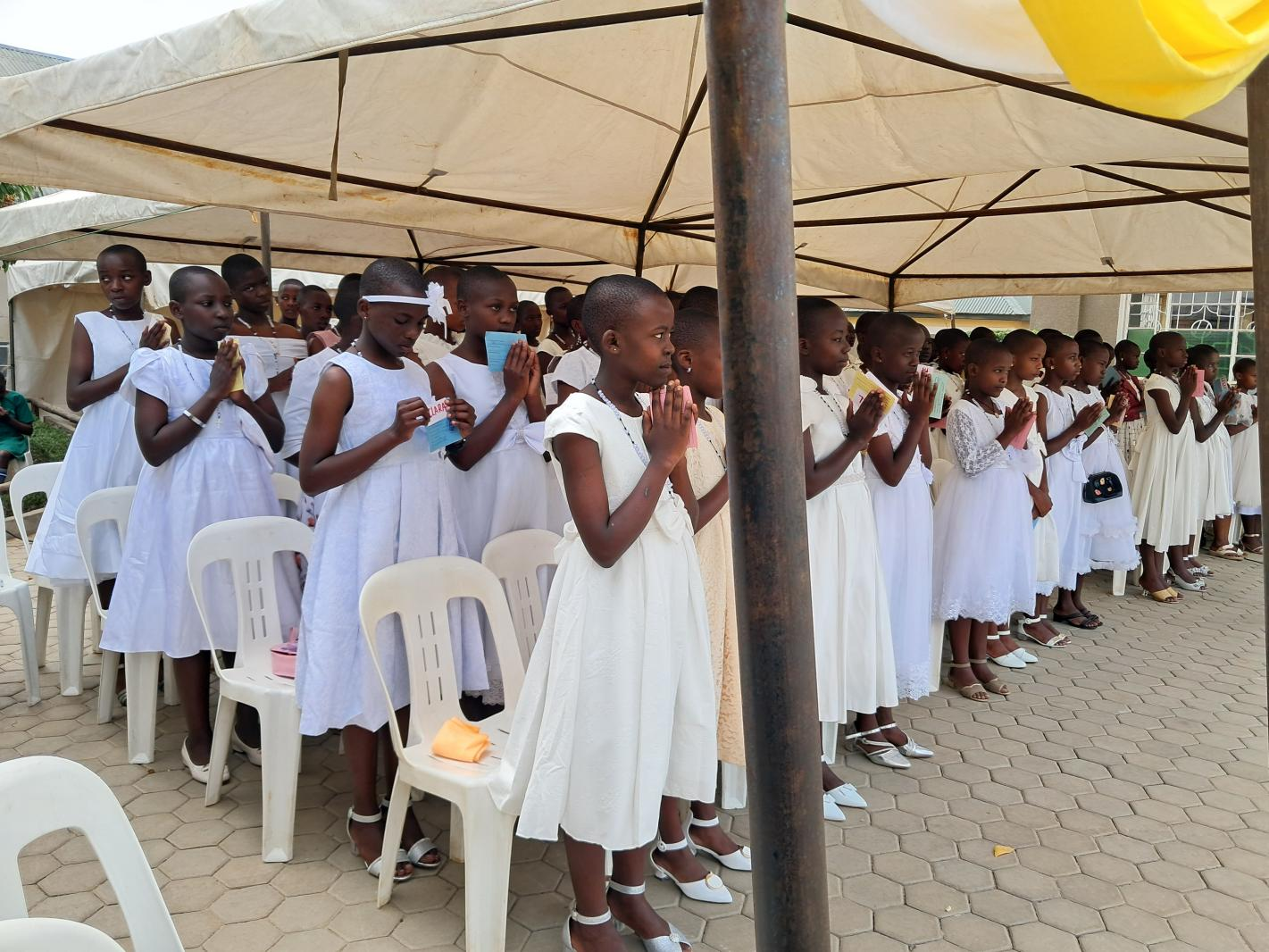
Archbishop anointed the pupils with the Holy oils and prayed for them for the seven gifts of the Spirit and after commissioned them as apostles of Christ. The Archbishop said after the anointing with holy oils, sends the newly confirmed to “preach the good news wherever they will be, in their own way. During his homily, Archbishop Bainomugisha urged them to evangelize through their daily lives, words, and actions, reflecting the fruits of the Holy Spirit they have received. In Galatians 5: people will know you by love, joy, peace, patience, kindness, faithfulness, gentleness, and self-control. “That is how the world will know you belong to Jesus Christ,” he said.
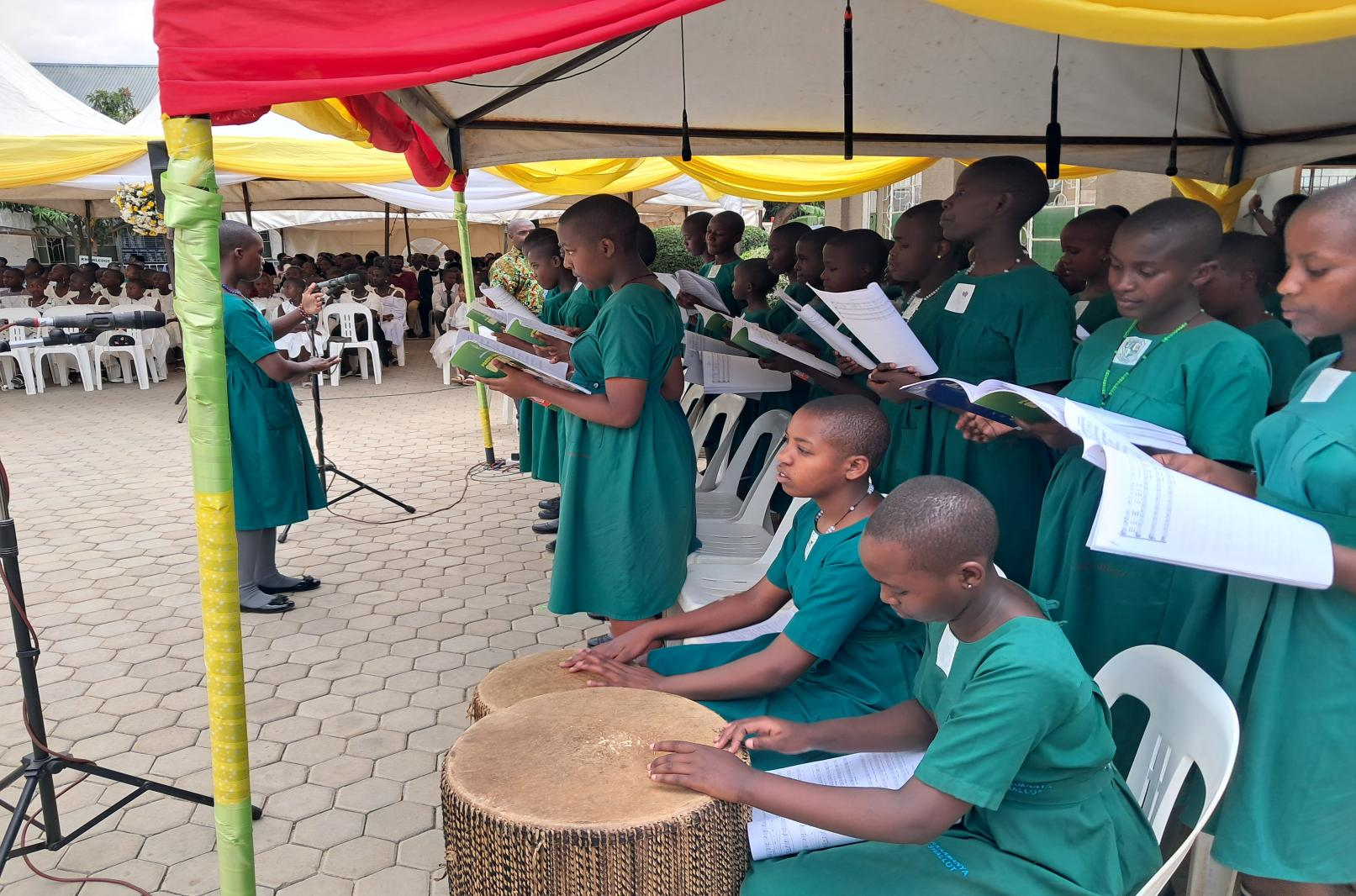
The school choir St. Helens primary school animating confirmation Mass at the school.
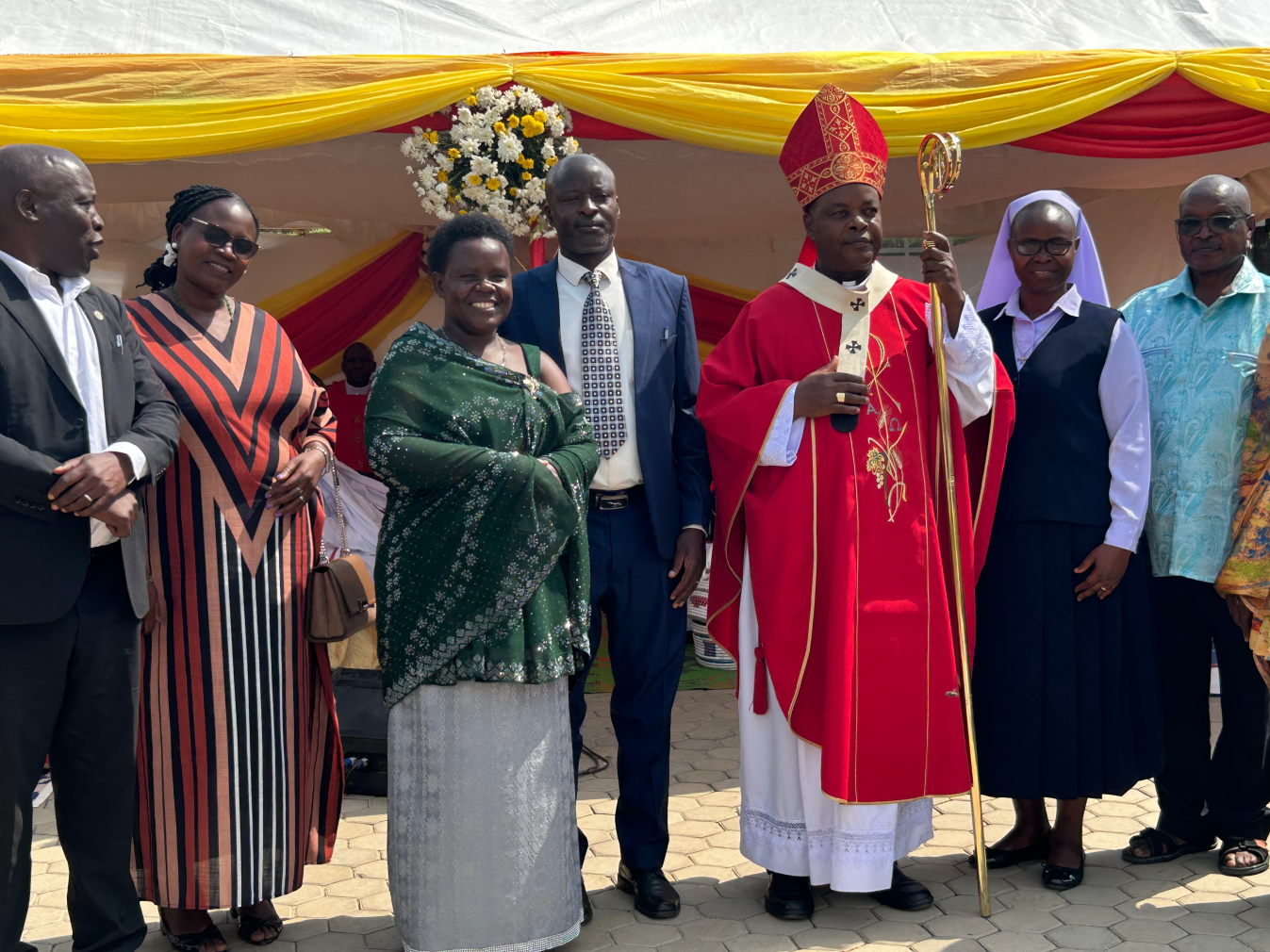
His Grace Lambert Bainomugisha with the Head teacher Sr. Macklean Ayebare and the management committee of St. Helens Primary School after the confirmation of their pupils the school.
The Sacrament of Confirmation marks a turning point for the 80 pupils. They are now called to be active witnesses of their catholic faith at home, at school, and in society. The Archbishop told them that “even young children can evangelize old people,” encouraging them to live by practicing Catholic values learned at St. Helen’s. The confirmation strengthens their role as moral leaders among peers, with the gifts of the Holy Spirit as a “spiritual tool” for making right choices, standing against peer pressure, and serving others. For pupils with visual impairment, the sacrament affirms their equal dignity and mission in the catholic Church. School Legacy and Celebration Founded in 1928, St. Helen’s Primary School has grown on strong moral and Christian values. The Sisters of Our Lady of Good Counsel continue to lead in educating the girl child and vulnerable children with visual impairment. In celebrating their Feast Day, they celebrate and honor the school’s academic excellence and co-curricular success, drawing many old girls back to their roots St. Helens. Voices from the Celebration Sharing a personal story, Archbishop Bainomugisha recalled being in Primary Six in 1976 when he wrote his father a letter in a “special language” only they understood, asking for an application to join seminary. He used the story to show how children can take initiative in faith.
His Grace Lambert Bainomugisha with the old girls and old boys of St. Helens primary school at the school at Nyamitanga. Hon. Kalisa, MP for Ibanda and an old girl, thanked the Catholic Church and the Sisters for instilling values that shaped her. She recounted how her father rode her from Ibanda each term and how she learned discipline despite rarely being visited. She urged current pupils to “be disciplined and concentrate on their education first.”The headteacher thanked Archbishop Bainomugisha, clergy, PTA, staff, and parents for supporting the pupils’ faith and education.